
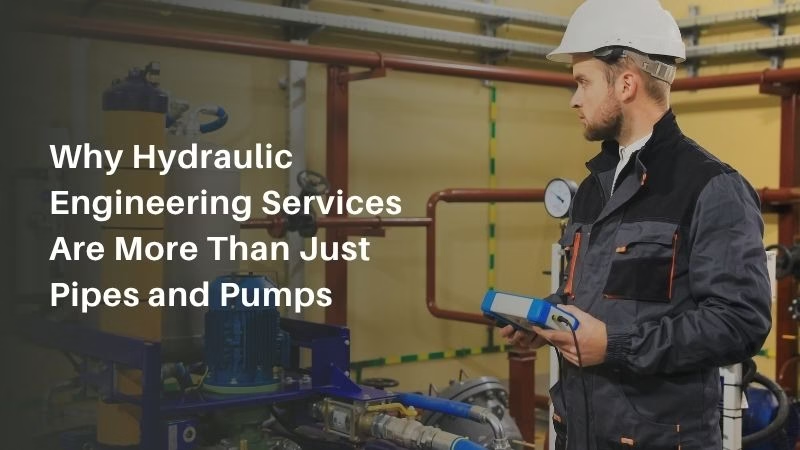

Why Hydraulic Engineering Services Are More Than Just Pipes and Pumps

Why Hydraulic Engineering Services Are More Than Just Pipes and Pumps

Hydraulic Engineering Services Perth

Hydraulic engineering is often thought of as just plumbing — pipes, pumps, and water flow. But in modern construction, hydraulic engineering is so much more. It’s about designing and managing all fluid systems in a building to ensure efficiency, safety, and sustainability.

From commercial towers to residential complexes, hydraulic engineers work behind the scenes to make sure water supply, drainage, stormwater, and other fluid systems operate flawlessly. Without their expertise, buildings can face inefficiencies, leaks, or long-term operational issues.

In this blog, we’ll explore why hydraulic engineering is vital in construction, the value it brings, and how Decobu supports projects of all sizes with expert hydraulic solutions.

Understanding the Full Scope of Hydraulic Engineering

Hydraulic engineering goes beyond traditional plumbing. Consultants design and manage:

  • Water supply systems: Reliable and clean water for all building needs.
  • Drainage and wastewater: Preventing leaks, blockages, and flooding.
  • Stormwater management: Protecting the building and surrounding area from heavy rainfall.
  • Irrigation and specialty systems: For landscapes, pools, or industrial applications.

These systems must integrate seamlessly with mechanical, electrical, and fire protection systems. Proper coordination ensures safe, efficient, and sustainable operations.

The Impact of Hydraulic Services on Modern Buildings

  1. Efficiency and Sustainability : Well-designed hydraulic systems minimize water and energy waste, lowering operational costs and environmental impact. Consultants calculate flow rates, system pressures, and capacities to optimize performance
  2. Safety and Reliability : Water systems aren’t just functional — they’re essential for safety. Poorly designed systems can lead to flooding, structural damage, or contamination. Hydraulic engineers design systems to prevent failures before they occur.
  1. Integration with Other Systems : Hydraulic systems must coordinate with fire, mechanical, electrical systems. For instance, water pressure must remain consistent for sprinklers, drinking water, and HVAC cooling loops.
  2. Compliance and Best Practices : Regulatory standards for water and drainage systems are stringent. Consultants ensure all designs meet national codes, safety requirements, and environmental standards.

Real-Life Applications and Success Stories

Hydraulic engineering impacts nearly every type of project:

  • Commercial buildings: Optimized water and drainage systems for tenants, reducing operational costs.
  • Residential developments: Reliable plumbing, stormwater management, and rainwater harvesting systems.
  • Industrial facilities: Specialized fluid systems for production, cooling, and fire protection.
  • Public infrastructure: Stormwater, potable water, and wastewater systems that protect communities.

Without proper hydraulic planning, buildings can face costly repairs, inefficiencies, and safety risks — which highlights why early expert involvement is crucial.

Common Hydraulic Challenges and Solutions

Hydraulic systems can present complex challenges, such as:

  • Space constraints: Fitting intricate piping in limited areas without compromising performance.
  • Pressure and flow management: Maintaining consistent water supply throughout buildings.
  • System integration: Coordinating with other building systems to prevent conflicts.
  • Maintenance planning: Designing accessible and easy-to-maintain systems for long-term reliability.

Experienced consultants identify these challenges early, providing practical, cost-effective solutions.

Decobu’s Approach to Smarter Hydraulic Solutions

At Decobu, we provide holistic hydraulic engineering services that go beyond pipes and pumps:

  • Coordinating hydraulic systems with electrical, fire safety and mechanical services for seamless performance.
  • Designing water-saving systems, energy-efficient pumps, and rainwater harvesting solutions.
  • From design to installation, we troubleshoot challenges and optimize system performance.
  • Ensuring all designs adhere to safety, environmental, and building standards.

Our approach ensures hydraulic systems are safe, reliable, and future-ready, giving clients peace of mind.

FAQs

1. Are hydraulic engineers only needed for plumbing?

No — hydraulic engineers oversee all fluid systems, not just plumbing. This includes water supply, wastewater, stormwater, and irrigation networks.

2. How does hydraulic engineering support sustainability?

Hydraulic engineering promotes sustainability by designing water-efficient systems, optimising pump energy use, and integrating solutions like rainwater harvesting and greywater recycling.

3. When should hydraulic engineers be involved in a project?

Early involvement is crucial — hydraulic engineers can integrate fluid systems seamlessly into the building design, prevent clashes with other services, and avoid costly retrofits later.

4. Can hydraulic engineering improve building safety?

Absolutely — properly designed hydraulic systems prevent leaks, flooding, and water contamination, protecting both the building structure and occupants.

5. Does Decobu handle projects of all sizes?

Yes — Decobu provides scalable hydraulic solutions for residential, commercial, industrial, and public infrastructure projects. Whether it’s a small renovation or a large-scale development, our engineers tailor systems to meet each client’s specific needs.

Conclusion

Hydraulic engineering is far more than pipes and pumps. It ensures safe, efficient, and sustainable water and fluid systems that are essential for modern construction. Partnering with Decobu guarantees expert planning, innovative solutions, and seamless integration with other building services.

Ready to optimize your building’s hydraulic systems? Contact Decobu today and see how our engineering expertise can make your project safer, more efficient, and future-ready.

Found Interesting? Share the insights

Facebook
X
LinkedIn
WhatsApp
Reddit

Related Posts