
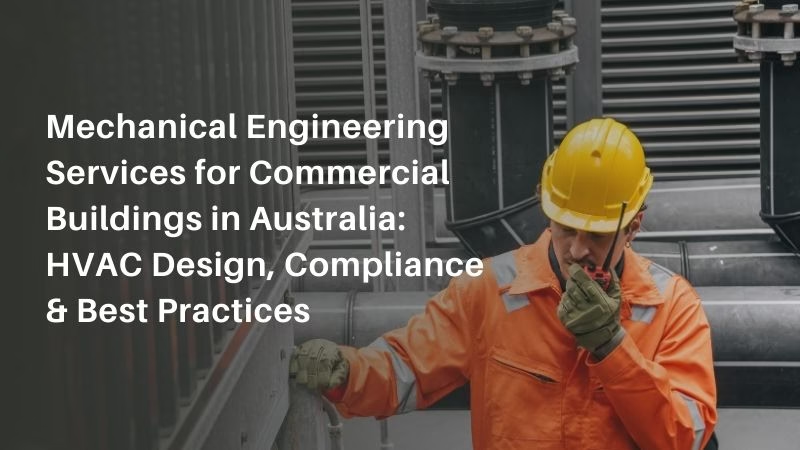

Mechanical Engineering Services for Commercial Buildings in Australia: HVAC Design, Compliance & Best Practices

Mechanical Engineering Services for Commercial Buildings in Australia: HVAC Design, Compliance & Best Practices

Mechanical Engineering Services Australia

Introduction

Mechanical engineering services are fundamental to the performance, comfort, safety, and energy efficiency of commercial and industrial buildings across Australia. From heating, ventilation, and air conditioning (HVAC) systems to mechanical plant and energy optimisation, mechanical engineering ensures buildings operate efficiently while meeting strict regulatory requirements.
As building designs become more complex and sustainability expectations increase, mechanical engineering can no longer be treated as a secondary service. Experienced mechanical engineering consultants play a vital role in ensuring systems are compliant with the National Construction Code (NCC), Australian Standards, and project-specific operational needs.

Early engagement of mechanical engineering consultants helps reduce lifecycle costs, improve occupant comfort, and avoid costly redesigns during construction.

What Do Mechanical Engineering Services Include?

Mechanical engineering services encompass the design, coordination, and documentation of mechanical systems within a building. These systems directly impact occupant health, comfort, and operational efficiency.

Typical mechanical engineering services include:

  • HVAC system design
  • Ventilation and exhaust systems
  • Mechanical plant layout and selection
  • Thermal comfort analysis
  • Energy efficiency and sustainability assessments
  • Coordination of mechanical services with other disciplines

Each system must be carefully designed to suit building usage, occupancy levels, and local climate conditions.

HVAC Design for Commercial and Industrial Buildings

HVAC systems are one of the most critical components of mechanical engineering. Proper HVAC design ensures:

  • Comfortable indoor environments
  • Adequate ventilation and air quality
  • Energy-efficient operation
  • Compliance with Australian regulations

Mechanical engineers consider factors such as building orientation, heat loads, occupancy patterns, and equipment requirements when designing HVAC systems. Poor HVAC design can lead to excessive energy consumption, comfort complaints, and maintenance issues.

Australian Standards and Mechanical Engineering Compliance

Mechanical engineering designs in Australia must comply with a range of regulatory requirements, including:

  • National Construction Code (NCC)
  • AS 1668 (ventilation and indoor air quality)
  • Relevant AS/NZS HVAC standards
  • Energy efficiency regulations and guidelines

Compliance ensures systems are safe, effective, and approved by authorities. Mechanical engineering consultants are responsible for interpreting these standards and applying them correctly to each project.

Energy Efficiency and Sustainability in Mechanical Design

Energy efficiency is a key focus of modern mechanical engineering services. Mechanical engineers contribute significantly to reducing building energy consumption through:

  • Optimised system sizing
  • High-efficiency equipment selection
  • Smart control strategies
  • Zoning and demand-based operation

These strategies support sustainability targets such as NABERS and Green Star ratings while reducing long-term operational costs.

Mechanical Plant Design and Equipment Selection

Mechanical plant design involves selecting and locating equipment such as chillers, boilers, air handling units, and pumps. Mechanical engineers must balance:

  • Performance requirements
  • Space constraints
  • Noise and vibration control
  • Maintenance access
  • Energy efficiency

A well-designed mechanical plant improves system reliability and reduces downtime.

Coordination with Other Engineering Disciplines

Mechanical engineering services must be closely coordinated with other building services to ensure integrated and constructible designs. Mechanical engineers work collaboratively with:

  • Electrical engineers for power supply, controls, and building management systems
  • Fire engineers for smoke exhaust, pressurisation, and fire mode operation
  • Hydraulic engineers for chilled and heated water systems

Early coordination reduces clashes, improves constructability, and minimises on-site changes.

Mechanical Engineering Documentation and Approvals

Mechanical engineering consultants prepare detailed documentation required for approvals and construction, including:

  • Mechanical layout drawings
  • HVAC schematics
  • Equipment schedules
  • Compliance documentation
  • Authority approval submissions

Accurate documentation is essential for obtaining development approvals, construction certificates, and final occupancy approvals.

When Should Mechanical Engineering Consultants Be Engaged?

Mechanical engineering consultants should ideally be engaged during the concept or schematic design stages. Early engagement provides:

  • Clear compliance strategies
  • Better system integration
  • Reduced redesign costs
  • Improved coordination with stakeholders

Late engagement often results in compromised designs and approval challenges.

Benefits of Professional Mechanical Engineering Services

Engaging experienced mechanical engineering consultants provides:

  • Improved occupant comfort and air quality
  • Reduced energy and operating costs
  • Compliant and reliable system designs
  • Faster approval processes
  • Long-term building performance

Mechanical engineering is a critical investment in building functionality and sustainability.

FAQs

1. What types of buildings require mechanical engineering services?

Commercial offices, retail centres, healthcare facilities, industrial buildings, and mixed-use developments.

2. Is HVAC compliance mandatory in Australia?

Yes. HVAC systems must comply with the NCC and relevant Australian Standards.

3. Can mechanical engineers help improve energy efficiency?

Yes. Mechanical engineers design efficient systems and support sustainability targets.

4. Do mechanical engineers coordinate with fire engineering systems?

Yes. Mechanical systems often support smoke control and fire mode operation.

5. When should mechanical engineers be involved in a project?

Ideally at the early design stages.

Ready to Build With Confidence?

Contact Decobu to engage experienced mechanical engineering consultants who support compliant, energy-efficient, and high-performing building systems from concept through to completion.

Found Interesting? Share the insights

Facebook
X
LinkedIn
WhatsApp
Reddit

Related Posts