
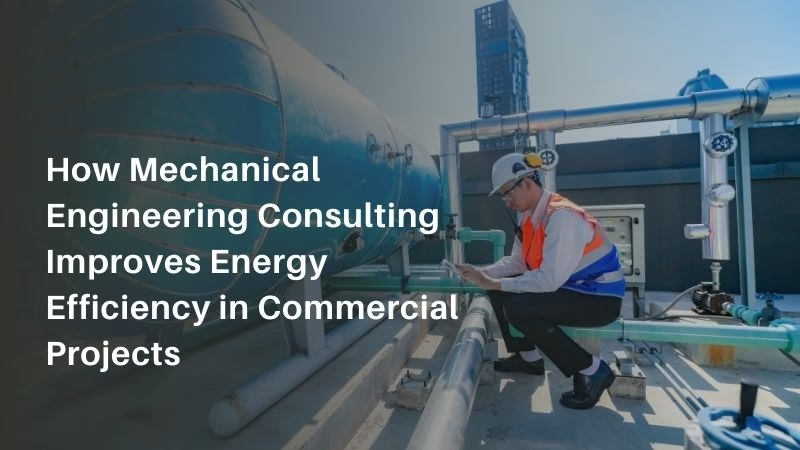
How Mechanical Engineering Consulting Improves Energy Efficiency in Commercial Projects
Commercial buildings across Australia face increasing pressure to reduce energy use while keeping occupants safe and comfortable. With rising electricity prices, stricter compliance requirements, and growing sustainability expectations, the way a building’s mechanical systems are designed and managed has never been more important. This is where Mechanical Engineering Consulting makes a measurable difference.
Mechanical engineers help plan, design, and optimise the systems that heat, cool, and ventilate commercial buildings. When these systems are well thought out, they use less energy, cost less to run, and stay reliable over time
1. Good HVAC Design Begins With Smart Planning
Heating, ventilation, and air-conditioning (HVAC) equipment is often the single biggest energy user in a commercial building. A skilled mechanical design engineer australia ensures the system is designed properly from the beginning so it performs efficiently throughout its life.
- Avoiding oversized equipment : Oversized units consume more energy than needed and often wear out faster due to frequent cycling. Engineers calculate the building’s actual heating and cooling needs so equipment is sized correctly.
- Accounting for Australian climate conditions : A building in Darwin has very different cooling requirements to one in Melbourne. Mechanical engineers design systems around real climate demands, helping reduce unnecessary energy use.
- Matching system design to how the space will be used: Retail stores, offices, hospitals, and schools all have different occupancy patterns. Mechanical engineers design HVAC systems that adapt to these patterns rather than using the same settings across the entire building.
2. Meeting Australian Standards Without Using Excess Energy
Safe, healthy buildings must comply with Australian Standards and the National Construction Code (NCC). These requirements protect occupants, but they also influence how energy is managed.
Mechanical engineers ensure systems meet:
- Ventilation and indoor air quality requirements
- Fire and smoke safety provisions
- Refrigeration safety rules
- NCC energy-efficiency measures
Balancing compliance with efficiency
For example, a building must bring in enough outdoor air for fresh ventilation, but that doesn’t mean ventilation fans need to run at maximum speed all day. Engineers design systems that meet safety requirements without wasting power.
3. Smarter Controls Make a Big Difference in Daily Energy Use
Even the best-designed mechanical systems can waste energy if they are not controlled properly. Modern buildings depend heavily on automated controls to ensure efficient day-to-day operation.
-
Automatic adjustments based on occupancy
Systems can reduce air-conditioning when spaces are empty—for example, after office hours or during quiet periods. This prevents energy waste without affecting comfort.
-
Variable-speed equipment
Instead of running at full power all the time, many modern fans and pumps adjust their speed based on demand. Slowing down even slightly can dramatically cut electricity consumption.
-
Using building management systems (BMS) correctly
Mechanical engineers set up control rules for how the building operates. A poorly tuned BMS can waste energy, but a well-configured one can deliver significant savings.
-
Ongoing monitoring and tuning
Over time, buildings change: new tenants arrive, different hours of use apply, and equipment ages. Mechanical engineers use monitoring data to fine-tune systems so they continue to operate efficiently.
These smart-control strategies often require collaboration with electrical specialists, making strong Electrical Engineering Services support an important part of the overall solution.
A Better Building Envelope Reduces HVAC Load
Mechanical engineers also consider how the building itself affects energy use. This includes:
- Insulation levels
- Window performance
- Shading
- Air leakage
A better-performing building envelope means heating and cooling systems don’t need to work as hard. This not only reduces energy use but can also lower the size and cost of required mechanical equipment.
These design choices often overlap with architectural and hydraulic considerations, especially when managing heat loads and water systems that affect building temperature.
5. Commissioning Ensures the Building Performs as Designed
Commissioning is the process of testing and adjusting all HVAC systems to make sure they operate correctly once installed.
Mechanical engineers check:
- Airflows
- Temperature control
- Safety features
- BMS settings
- Equipment efficiency
Because Australia experiences significant temperature variation across the year, systems must be tested in different seasons to confirm efficient operation under real conditions.
Over time, performance can drift due to equipment wear or operational changes. Periodic mechanical reviews help identify issues early before energy costs begin to rise.
6. Supporting Sustainability Goals and Lower Energy Bills
Mechanical engineers help buildings achieve:
- Energy-efficiency compliance under the NCC
- NABERS ratings
- Green Star certifications
- WELL performance outcomes
These frameworks are increasingly important for commercial properties, and they often lead to lower operating costs, improved occupant comfort, and stronger asset value.
Decobu’s Integrated Building Services Expertise
Decobu provides end-to-end Mechanical Engineering Services along with electrical, hydraulic, and fire protection expertise. Our team works across commercial, education, retail, and government projects to create safer, more efficient buildings through:
- Mechanical design and optimisation
- Ventilation planning
- Controls and commissioning support
- Energy-efficiency reviews
- Integrated service coordination
Our focus is simple: reliable, compliant, and efficient building systems that reduce energy use without compromising comfort or safety.
FAQs
1. How does Mechanical Engineering Consulting improve energy efficiency?
It improves efficiency by designing HVAC systems that are correctly sized, properly controlled, and matched to how the building is actually used—reducing unnecessary energy waste.
2. Can Mechanical Engineering Consulting reduce electricity bills?
Yes. When mechanical systems run more efficiently, they consume less power. This leads to lower electricity bills and reduced ongoing operating costs.
3. Does Mechanical Engineering Consulting help older buildings?
Absolutely. Existing buildings often gain significant efficiency through system tuning, updated controls, and targeted mechanical upgrades.
4. Do mechanical engineers work with other building service disciplines?
Yes. Mechanical engineers collaborate with electrical, hydraulic, and fire engineers to ensure all building systems operate safely and efficiently as one integrated solution.
Final Thoughts
Energy efficiency is achieved through planning, coordination, and smart operation—not guesswork. With the support of Mechanical Engineering Consulting, commercial buildings across Australia can run more efficiently, stay compliant, and deliver better long-term value for owners and occupants.
speak with Decobu’s engineering team to improve the energy performance of your next commercial project. We can support you with design reviews, system optimisation, and integrated building services that deliver real, measurable results.
Found Interesting? Share the insights
Related Posts

Why Every Commercial Project Needs an Experienced Electrical Design Engineer
Why Every Commercial Project Needs an Experienced Electrical Design Engineer Electrical design is one of the most influential parts of any commercial development yet it’s

Why Early Hydraulic Engineering Services Matter for Australian Construction
Why Early Hydraulic Engineering Services Matter for Australian Construction Hydraulic systems sit at the core of every building — managing water supply, drainage, stormwater, gas,
Electrical Design Engineering: What Sydney Developers Need to Ask Before Starting
Electrical Design Engineering: What Sydney Developers Need to Ask Before Starting Electrical design plays a much bigger role in modern buildings than many developers realise.

3 Mechanical Design Mistakes That Cost Building Owners in Australia
3 Mechanical Design Mistakes That Cost Building Owners in Australia Mechanical design isn’t usually the first thing people think about when planning a building —
Why Do Brisbane Projects Need Expert Fire Engineering Consultants?
Why Do Brisbane Projects Need Expert Fire Engineering Consultants? Introduction Fire safety is one of the most vital aspects of any construction project — yet
Why Building Services Engineering Matters in Every Project in Sydney
Why Building Services Engineering Matters in Every Project in Sydney When it comes to modern construction, it’s easy to focus on architecture and aesthetics. Yet,