
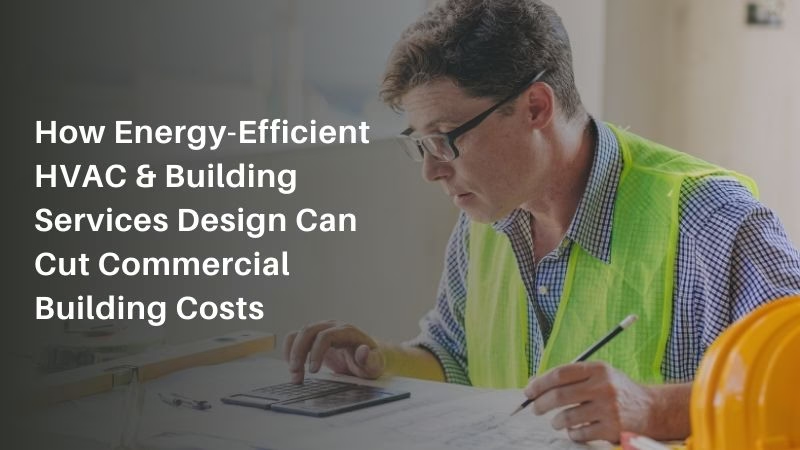
How Energy-Efficient HVAC & Building Services Design Can Cut Commercial Building Costs

How Energy-Efficient HVAC & Building Services Design Can Cut Commercial Building Costs

Mechanical Engineering Services

With energy prices in Australia rising steadily and sustainability becoming a key business priority, reducing operating costs in commercial buildings has never been more important. The good news? Cutting energy usage doesn’t just save money — it can also improve comfort for occupants, enhance building value, and keep you compliant with NCC Section J (Energy Efficiency) requirements.

Whether you’re managing an office, retail centre, or industrial warehouse, there are practical, proven strategies to lower your energy bills without compromising performance. Let’s break them down.

1. Upgrade to Energy-Efficient HVAC Systems

HVAC (Heating, Ventilation & Air Conditioning) often accounts for 40–50% of a commercial building’s energy use. Modern systems are far more efficient than those installed even a decade ago.

Ways to cut HVAC costs:​

  • Variable speed drives (VSDs) on fans and pumps to match real-time demand
  • Zoning to only heat/cool occupied areas
  • Economy cycles to use fresh outdoor air when conditions are right
  • Regular maintenance to keep systems operating at peak efficiency

2. Switch to LED Lighting

Lighting can account for up to 25% of electricity consumption in older commercial buildings. Switching to LEDs reduces energy use by up to 75% and cuts maintenance costs due to their longer lifespan.

Extra savings:

  • Occupancy sensors in meeting rooms, restrooms, and storage areas
  • Daylight harvesting systems that adjust artificial lighting based on natural light levels

3. Prepare for Solar Integration

Even if you’re not ready to install solar panels right now, Designing your electrical systems to be “solar-ready” can save major retrofitting costs later—consider advanced electrical engineering solutions during the planning stage.

Benefits of solar readiness:

  • Easier integration of rooftop PV systems
  • Future-proofing against rising grid prices
  • Eligibility for Small-scale Renewable Energy Scheme (SRES) or state rebates

4. Optimise Building Envelope & Passive Design

Passive design strategies reduce the load on mechanical systems and maintain comfort naturally.

Effective passive measures:

  • Insulation upgrades for roofs, walls, and floors
  • High-performance glazing to control heat gain/loss
  • External shading devices to block summer sun while allowing winter light
  • Natural ventilation to reduce reliance on air conditioning

5. Implement a Smart Building Management System (BMS)

A BMS allows you to monitor and control HVAC, lighting, and other systems in real time. This helps identify waste, automate efficiency measures, and generate reports for compliance.

The Decobu Approach: Energy Efficiency by Design

At Decobu, we believe energy savings start at the design stage. Our approach includes:

  • Integrated MEPF Design — Mechanical, electrical, Hydraulic engineering focusing on efficient water management and sanitation, and fire systems designed to work together for maximum efficiency.
  • Section J Compliance — Ensuring all designs meet or exceed NCC energy efficiency requirements.
  • Lifecycle Cost Analysis — Balancing upfront costs with long-term savings.
  • Renewable Integration — Designing systems ready for solar, battery storage, or future upgrades.
  • Data-Driven Decisions — Using simulation tools to predict and optimise building performance before construction begins.

FAQ: Reducing Energy Costs in Commercial Buildings

1. What’s the fastest way to cut energy costs in an existing building?

Switching to LED lighting and optimising HVAC schedules are quick wins with immediate results. These measures reduce electricity consumption without major disruptions or large capital investment.

2. Is solar power worth it for commercial spaces in Australia?

Yes — with falling panel prices, government incentives, and high daytime energy usage, many projects see payback in 3–6 years. It also helps reduce reliance on grid power and lowers carbon emissions.

3. How often should I review my building’s energy performance?

At least annually — but continuous monitoring through a BMS provides the best results. Regular reviews help identify inefficiencies early and maintain optimal system performance.

4. Can I improve energy efficiency without major renovations?

Yes — retrofitting lighting, upgrading controls, and improving insulation can all be done with minimal disruption. Small, targeted upgrades often deliver noticeable savings quickly.

5. Does NCC Section J apply to all commercial buildings?

It applies to most new builds and major refurbishments, with requirements varying by building class and climate zone. Compliance ensures energy efficiency standards are met and can influence design choices.

Final Word: Achieving Energy-Efficient Commercial Buildings

Reducing energy costs in a commercial building isn’t just about installing the latest tech — it’s about integrated, well-planned design and ongoing optimisation. By combining efficient HVAC, smart lighting, solar-ready electrical systems, and passive design strategies, you can achieve substantial savings while staying compliant with Australia’s energy efficiency regulations.

Get started with Decobu today! We provide energy-efficient MEPF design services across Australia—helping clients reduce costs, meet compliance, and create smarter, more sustainable buildings.

Found Interesting? Share the insights

Facebook
X
LinkedIn
WhatsApp
Reddit

Related Posts