
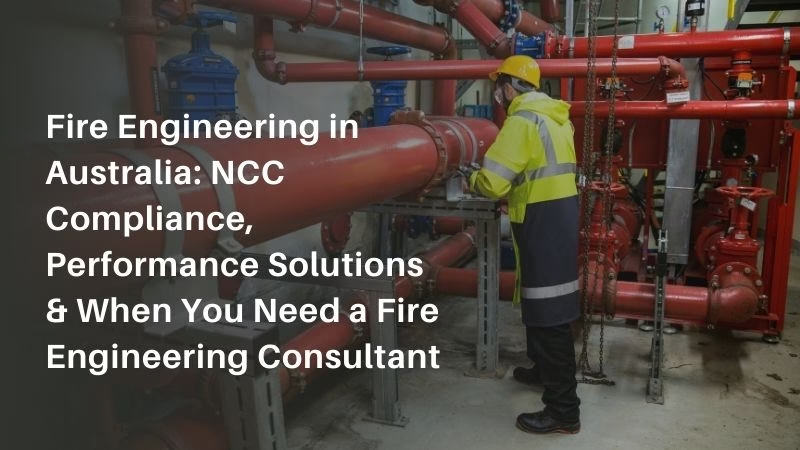

Fire Engineering in Australia: NCC Compliance, Performance Solutions & When You Need a Fire Engineering Consultant

Fire Engineering in Australia: NCC Compliance, Performance Solutions & When You Need a Fire Engineering Consultant

Fire Engineering services in Australia

Introduction

Fire engineering is a critical component of modern building design in Australia, particularly for commercial, industrial, and complex developments. As architectural designs become more innovative and regulatory requirements more stringent, traditional prescriptive fire safety solutions are often insufficient. This is where fire engineering services play a vital role.

Fire engineering focuses on analysing fire risks, occupant safety, and building performance during fire events. By applying engineering principles and performance-based methodologies, fire engineering consultants help projects achieve compliance with the National Construction Code (NCC) while supporting safe, efficient, and cost-effective building outcomes.

Engaging experienced fire engineering consultants early in a project can significantly reduce approval delays, redesign costs, and construction risks.

What Is Fire Engineering?

Fire engineering is a specialised engineering discipline that evaluates how buildings perform in fire scenarios. Rather than relying solely on prescriptive rules, fire engineering assesses real-world fire behaviour and develops tailored strategies to manage fire growth, smoke movement, evacuation, and structural integrity.

Key areas assessed by fire engineers include:

  • Fire development and spread
  • Smoke production and movement
  • Occupant evacuation and egress
  • Fire detection and suppression systems
  • Structural fire resistance
  • Interaction between fire systems and other building services

Fire engineering is particularly valuable for buildings that fall outside standard layouts or require innovative design solutions.

Fire Engineering and the National Construction Code (NCC)

In Australia, fire safety requirements are governed by the National Construction Code (NCC), previously known as the Building Code of Australia (BCA). The NCC allows compliance to be achieved using either:

  • Deemed-to-Satisfy (DTS) Solutions
  • Performance Solutions

DTS solutions follow prescriptive rules set out in the NCC. However, many modern projects cannot meet these requirements due to design constraints, architectural features, or site limitations. In such cases, performance-based fire engineering solutions are required.

Fire engineering consultants prepare detailed documentation to demonstrate that performance solutions meet or exceed the NCC’s fire safety objectives.

To prevent this, Decobu aligns cost planning and regulatory compliance from day one.

Performance-Based Fire Engineering Solutions

Performance-based fire engineering solutions provide flexibility while maintaining safety outcomes. These solutions are commonly required for:

  • High-rise developments
  • Mixed-use buildings
  • Large atriums and open spaces
  • Industrial and warehouse facilities
  • Buildings with alternative materials or layouts

Fire engineers use advanced modelling and analytical tools to assess fire scenarios, such as:

  • Computational Fluid Dynamics (CFD) for smoke modelling
  • Evacuation modelling to assess occupant movement
  • Fire scenario analysis based on building usage

The outcome is a robust, evidence-based fire safety strategy that satisfies approval authorities and certifiers.

Fire Engineering Reports and Deliverables

One of the most important deliverables in fire engineering is the Fire Engineering Report (FER). This document outlines the fire safety strategy, performance solutions, and compliance pathways for a project.

Typical fire engineering deliverables include:

  • Fire Engineering Reports (FER)
  • Performance Solution documentation
  • Smoke exhaust and control strategies
  • Evacuation and egress analysis
  • Fire system coordination drawings
  • Liaison with certifiers, councils, and fire authorities

These deliverables are essential for securing development approvals and construction certificates.

Coordination with Other Engineering Disciplines

Fire engineering does not operate in isolation. Effective fire safety design requires close coordination with other engineering disciplines, including:

  • Mechanical engineering, particularly for smoke exhaust and ventilation systems
  • Electrical engineering, including fire detection, alarms, and emergency power systems
  • Hydraulic engineering, for fire hydrants, hose reels, and sprinkler systems

Early multidisciplinary coordination ensures integrated designs, reduces clashes, and minimises costly design changes during construction.

Common Scenarios Where Fire Engineering Is Required

Fire engineering services are often required when:

  • A building design cannot comply with DTS provisions
  • Alternative fire safety measures are proposed
  • Large occupant loads are involved
  • Buildings exceed height or area limits
  • Innovative architectural features are introduced

In these scenarios, fire engineering consultants provide a clear compliance pathway and support approval negotiations.

When Should You Engage a Fire Engineering Consultant?

One of the most common mistakes in construction projects is engaging fire engineering consultants too late. Early engagement during concept or schematic design offers significant benefits, including:

  • Clear compliance strategies from the outset
  • Reduced redesign and rework costs
  • Faster approvals from certifiers and authorities
  • Improved coordination with architects and engineers

Early involvement also allows fire engineering solutions to be integrated seamlessly into the overall building design.

Benefits of Professional Fire Engineering Services

Engaging experienced fire engineering consultants delivers several advantages:

  • Enhanced life safety outcomes
  • Regulatory compliance with the NCC
  • Reduced construction and redesign costs
  • Optimised building layouts
  • Improved approval confidence

For commercial developers, builders, and consultants, fire engineering is a risk-management investment rather than a regulatory burden.

FAQs

Is fire engineering mandatory in Australia?

Fire engineering is required when performance-based solutions are used to meet NCC requirements.

What is a Fire Engineering Report (FER)?

A Fire Engineering Report documents fire safety strategies and demonstrates compliance with NCC performance requirements.

Who approves fire engineering solutions?

Private certifiers, councils, and relevant approval authorities review and approve fire engineering documentation.

Can fire engineering reduce project costs?

Yes. Well-designed performance solutions can reduce overdesign, materials, and construction complexity.

At what stage should fire engineering be engaged?

Ideally during concept or early design stages to avoid delays and redesigns.

Final Thoughts

Whether you’re at concept design or preparing for approvals, engaging experienced fire engineering consultants early can simplify compliance and reduce project risk. Decobu works closely with architects, builders, and developers to deliver practical, performance-based fire engineering solutions aligned with the NCC and project objectives.

Need Expert Fire Engineering Support for Your Project?

If you’d like guidance on fire engineering strategies, Fire Engineering Reports, or performance solutions for your next development, speak with Decobu’s building services engineering team to understand the right approach from the outset.

Found Interesting? Share the insights

Facebook
X
LinkedIn
WhatsApp
Reddit

Related Posts