
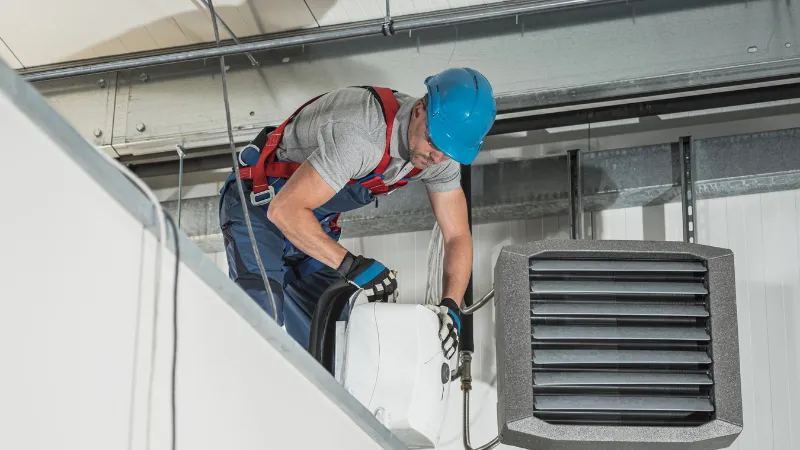
A change to one building service can sometimes create consequences well beyond that individual system.
Moving an air-conditioning unit, changing equipment, increasing electrical demand or altering a hydraulic route may require changes elsewhere in the building. Building services share the same spaces, routes and physical constraints as architectural and structural elements, so one change can affect several parts of a project.
This is why a change that appears minor on its own can sometimes require wider design coordination before the project can proceed.
One Change Can Affect More Than One System
Building services do not operate independently.
Mechanical systems need space for ducts and equipment. Electrical systems require cable routes, distribution boards and equipment locations. Hydraulic services need pipework routes and access. Fire services also need to be coordinated with the available building space.
When one element changes, the available space or requirements for another system can change with it.
For example, moving a mechanical unit may affect:
- duct routes
- ceiling space
- electrical connections
- access for maintenance
- structural requirements
- other services occupying the same area
The original change may therefore be limited to one system, but its impact can extend across the wider design.
Where Building Services Changes Can Create Problems
Ceiling Space
Ceiling voids often contain several services within a relatively limited area.
Ductwork, pipework, cable trays, lighting, fire services and structural elements all need to fit while maintaining the required clearances and access.
A change to one service can reduce the space available for others or require routes to be reconsidered.
Plant Rooms
Plant locations need more than enough space for the equipment itself.
Equipment may also require connections, access for maintenance and sufficient room for future servicing or replacement.
Changing the size or location of plant can therefore affect the surrounding layout and service routes.
Service Risers and Routes
Vertical risers and horizontal service routes are important parts of a building’s infrastructure.
If a service needs more space, a different route or a different connection point, other services may need to be moved or coordinated around it.
Structural Elements
Some service routes may need to pass through or around structural elements.
A change made after structural design decisions have been established can therefore require further coordination rather than simply moving the service on a drawing.
Why Multidisciplinary Coordination Matters
When mechanical, electrical, hydraulic and fire services are designed without sufficient coordination, problems can become apparent later in the project.
A service may have been designed correctly on its own but still conflict with another part of the building.
Good coordination considers how different systems need to work together within the actual building.
This can involve reviewing:
- service routes
- equipment locations
- ceiling spaces
- plant rooms
- risers
- access requirements
- structural interfaces
- architectural layouts
The objective is not simply to make each individual system work. It is to make sure the systems can work together within the building.
What Happens When a Change Is Made?
The impact depends on the type and location of the change.
A relatively small adjustment may only require coordination between a few disciplines. A larger change could affect equipment selection, service routes, available space or the wider building layout.
Before proceeding, the project team may need to understand:
What Is Changing?
The proposed change and the reason for it need to be clearly identified.
What Does It Affect?
Nearby services, architectural elements, structural components and available space may all need to be reviewed.
Does the Change Create a New Constraint?
The revised arrangement still needs to provide the required space, access and connections.
Do Other Drawings Need to Change?
Where a change affects other disciplines, the relevant documentation needs to be coordinated accordingly.
This helps prevent a change in one area from creating an unexpected problem somewhere else.
Changes During Construction Can Be More Difficult
The impact of a services change can become more significant once construction is underway.
By that stage, some elements may already have been installed or construction decisions may already have been made. A change to one service can then result in rework, revised routes or additional coordination with work already completed.
This is particularly important where services are concealed within ceilings, walls, risers or other difficult-to-access areas.
Identifying the wider impact of a change before work proceeds can help the project team make a more informed decision and reduce avoidable disruption.
A Building Services Change Is Rarely Just a Building Services Change
The issue is not that building services cannot be changed. They often need to be changed as a project develops.
The important point is understanding what else the change affects.
A revised mechanical requirement may influence electrical demand. A change in equipment location may affect fire or hydraulic service routes. A change to a ceiling layout may affect several services at once.
Looking at the building as a coordinated system helps identify these relationships before they become construction problems.
How Decobu Approaches Multidisciplinary Coordination
At Decobu, building services are considered within the wider project rather than as isolated systems.
Mechanical, electrical, hydraulic and fire requirements need to work with the architectural and structural design, the available building space and the practical requirements of construction and ongoing use.
Our approach is to identify how different services interact, review potential constraints and coordinate the design so changes can be considered in the context of the wider project.
Consider the Wider Impact of Every Change
A building services change rarely sits in isolation. Even a small adjustment can affect available space, service routes, access, structure or another engineering system.
Considering those impacts before a change is implemented can help avoid unnecessary redesign, clashes and disruption later in the project.
The goal is not simply to make one service work. It is to make sure the change works for the building as a whole.
Frequently Asked Questions
Can changing one building service affect other systems?
Yes. Changes to equipment, service routes or system requirements can affect available space, electrical connections, hydraulic routes, fire services, structure and architectural layouts.
Why do MEP services need to be coordinated?
Mechanical, electrical, hydraulic and fire services often share the same spaces and routes. Coordination helps identify conflicts and practical constraints before they become larger project issues.
Can building services changes be made during construction?
Yes, but changes during construction can be more difficult because other work may already be completed or underway. The wider impact should be reviewed before the change proceeds.
What areas are commonly affected by services changes?
Ceiling spaces, plant rooms, service risers, equipment locations and service routes are common areas where changes can affect other parts of the building.
Why is multidisciplinary coordination important in building design?
It helps ensure that different engineering systems can work together within the available building space while supporting the architectural, structural and construction requirements of the project.